
Cancer in Children:
Understanding the Disease, and its Treatment with Homeopathy
Understanding cancer 
Cancer is a disease that can affect people of all ages, including children. However, cancer in children is relatively rare and is more likely to be curable if it is detected early and treated effectively. Unfortunately, more than 300,000 children are diagnosed with cancer yearly.
When it comes to the treatment of childhood cancers, specialized disease management groups at pediatric cancer units are the best option. In many centers, the pediatric age group ranges from 0 to 14 years, though some centers include ages up to 18.
Among children in the 0-14 age group, the most common types of cancer are leukemias, brain and other central nervous system tumors, lymphomas, neuroblastoma, kidney tumors, and malignant bone tumors. Timely and appropriate diagnosis and treatment and tailored supportive care are crucial in improving outcomes and quality of life for children with cancer.
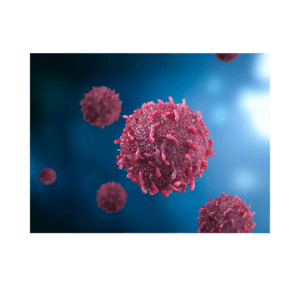
Cancer begins when healthy cells change and grow out of control. In most types of cancer, these cells form a mass called a tumor. A tumor can be cancerous or benign. A cancerous tumor is malignant, meaning it can grow and spread to other parts of the body. A benign tumor can grow but will not apply to distant parts of the body. Malignant tumors also usually proliferate, while benign tumors generally grow slowly.
What causes cancer in children ?
Cancer occurs in people of all ages and can affect any body part. It begins with a genetic change in single cells that
then grow into a mass (or tumor) that invades other parts of the body and causes harm and death if left untreated. Unlike cancer in adults, most childhood cancers do not have a known cause. Many studies have sought to identify the causes of childhood cancer, but environmental or lifestyle factors cause very few cancers in children. Cancer prevention efforts in children should focus on behaviors that prevent the child from developing preventable cancer as an adult.
Some chronic infections, such as HIV, Epstein-Barr virus, and malaria, are risk factors for childhood cancer. They are particularly relevant in LMICs. Other conditions can increase a child’s risk of developing cancer as an adult, so it is essential to be vaccinated (against hepatitis B to help prevent liver cancer and against human papillomavirus to help prevent cervical cancer) and to other pursue other methods such as early detection and treatment of chronic infections that can lead to cancer.
Current data suggest that approximately 10% of all children with cancer have a predisposition because of genetic factors. Further research is needed to identify factors impacting cancer development in children.
What are the treatment options ?
As it’s usually not feasible to prevent cancer in children, the optimal approach to lessen the impact of cancer in children and enhance outcomes is to emphasize a timely and accurate diagnosis, succeeded by empirical, evidence-based therapy accompanied by customized supportive care.
Early diagnosis is a critical component in the management of cancer and has three essential components that include:
- Awareness of Symptoms: The first component of early diagnosis is the awareness of symptoms by families and primary care providers. It is important for individuals to be aware of the warning signs of cancer and report any unusual changes in their health to their healthcare provider. Primary care providers should also be aware of the symptoms and risk factors associated with various types of cancer and be vigilant in identifying and investigating any concerning symptoms in their patients.
- Accurate and Timely Clinical Evaluation: The second component of early diagnosis is accurate and timely clinical evaluation, diagnosis, and staging of cancer. This requires the use of appropriate diagnostic tools and techniques, such as imaging studies, laboratory tests, and biopsies, to determine the presence, extent, and stage of cancer.
- Access to Prompt Treatment: The third component of early diagnosis is access to prompt treatment. Once a diagnosis is made, it is important to initiate treatment as soon as possible to achieve the best possible outcome. This may include surgery, radiation therapy, chemotherapy, targeted therapy, or a combination of these treatments, depending on the type and stage of cancer
A correct diagnosis is essential to prescribe appropriate therapy for the type and extent of the disease. However, the cure is possible for more than 80% of children with cancer when childhood cancer services are accessible. Children who complete treatment require ongoing care to monitor for cancer recurrence and to manage any possible long-term impact of treatment.
Palliative care is a type of care that aims to provide relief from the symptoms, pain, and stress of serious illnesses such as cancer and to improve the quality of life of patients and their families. It is an approach that focuses on the whole person, not just their disease, and considers their physical, emotional, and spiritual needs.
In the case of childhood cancer, palliative care is a crucial aspect of comprehensive care that should be provided to every child with cancer, regardless of whether or not a cure is possible. While a complete treatment may not be possible for everyone, the relief of suffering and the improvement of quality of life are possible. Palliative care can help to manage symptoms such as pain, nausea, vomiting, and other physical symptoms, as well as emotional and psychological distress.
Pediatric palliative care is an approach to care specifically designed to meet the unique needs of children with serious illnesses. It focuses on providing age-appropriate care that considers the developmental needs of children and their families. Pediatric palliative care can start at the time of diagnosis and continue throughout treatment and care, regardless of whether or not a child receives therapy with curative intent.
One of the essential aspects of pediatric palliative care is the family’s involvement in the child’s care. Families are the primary caregivers for children with cancer and play a critical role in providing emotional and practical support to their children. Pediatric palliative care provides support and education to families, helping them to understand the illness better, the treatment options, and the side effects, as well as providing them with practical guidance on how to manage the symptoms and side effects of the illness.
Homeopathic medicines for childhood cancer:
Homeopathy is one of the most popular holistic systems of medicine. The remedy selection is based on the theory of individualization and symptom similarity using a holistic approach. It is based on the principle of “like cures,” meaning that a substance that causes symptoms in a healthy person can treat similar symptoms in a sick person.

Homeopathy is the only way through which it can help patients gain a sense of complete regain of health by removing all the signs and symptoms from which the patient is suffering. Homeopathy aims not only to treat symptoms of childhood cancer but to address its underlying cause and individual susceptibility. Regarding therapeutic medication, several remedies are available to treat childhood cancer symptoms suggested on the grounds, sensations, and modalities of the complaints.
In addition, parents and caregivers need to consult with a qualified and experienced homeopathic practitioner who is familiar with childhood cancer and can provide individualized treatment based on the child’s unique symptoms and medical history.
A homeopathic practitioner can work alongside conventional cancer treatment to provide complementary care and support the overall health and well-being of the child.